
MOKANEX · BALTIMORE & THE SURROUNDING 50-MILE AREA
Mobile Oxygen Sensor Replacement in Baltimore
Explore the symptoms, testing and repair planning for your vehicle.
Request service ↗
Signs You May Have a Bad Oxygen Sensor
Common emissions and fuel-control symptoms we diagnose
(01)
Engine Symptom
Check Engine Light
A failing oxygen sensor can trigger trouble codes related to sensor response, heater operation, fuel mixture, or emissions performance. Diagnostic testing is needed before replacement.
(02)
Poor Fuel Economy
An inaccurate upstream oxygen sensor can affect fuel-control feedback and may contribute to reduced fuel economy. Vacuum leaks, fuel problems, and other sensors can cause similar symptoms.
(03)
Emissions Symptom
Failed Emissions Test
Oxygen sensor faults can contribute to emissions-related failures, but catalytic converter, fuel-control, exhaust leak, and engine-performance problems can produce similar results.
1. Trouble Code Scan
1. Initial Scan
Engine Computer
1. Stored and pending trouble codes are reviewed for oxygen sensor, fuel-trim, heater-circuit, and emissions-related faults.
1. An oxygen sensor code does not automatically prove that the sensor itself has failed.
2. Sensor Data Check
2. Live Data
Oxygen Sensor Response
2. Sensor data may be monitored to evaluate response, switching activity, and how the engine computer is using the signal.
2. Abnormal readings can help determine whether the sensor or another engine condition needs further testing.
3. Heater Circuit Check
3. Electrical Check
Sensor Heater Circuit
3. Power, ground, wiring, fuses, and heater-circuit operation may be checked when the trouble code involves the sensor heater.
3. Electrical faults can cause oxygen sensor codes even when the sensing element is still functional.
4. Related Engine Check
4. System Check
Fuel & Exhaust System
4. Vacuum leaks, exhaust leaks, fuel-trim problems, misfires, and catalytic converter concerns may be considered during diagnosis.
4. These problems can change oxygen sensor readings and lead to incorrect sensor replacement if not identified first.
5. Replacement & Verification
5. Final Check
Post-Repair Test
5. If the oxygen sensor is confirmed faulty, the correct upstream or downstream sensor is replaced.
5. Trouble codes and sensor operation are checked afterward to verify the repair.
Mobile Oxygen Sensor Diagnosis & Replacement
Testing the emissions system before replacing parts
What You Get
Mobile oxygen sensor service from Mokanex
01
On-Site Emissions Diagnosis
Mokanex can diagnose many oxygen sensor and emissions-related concerns at your home, workplace, or vehicle location.
02
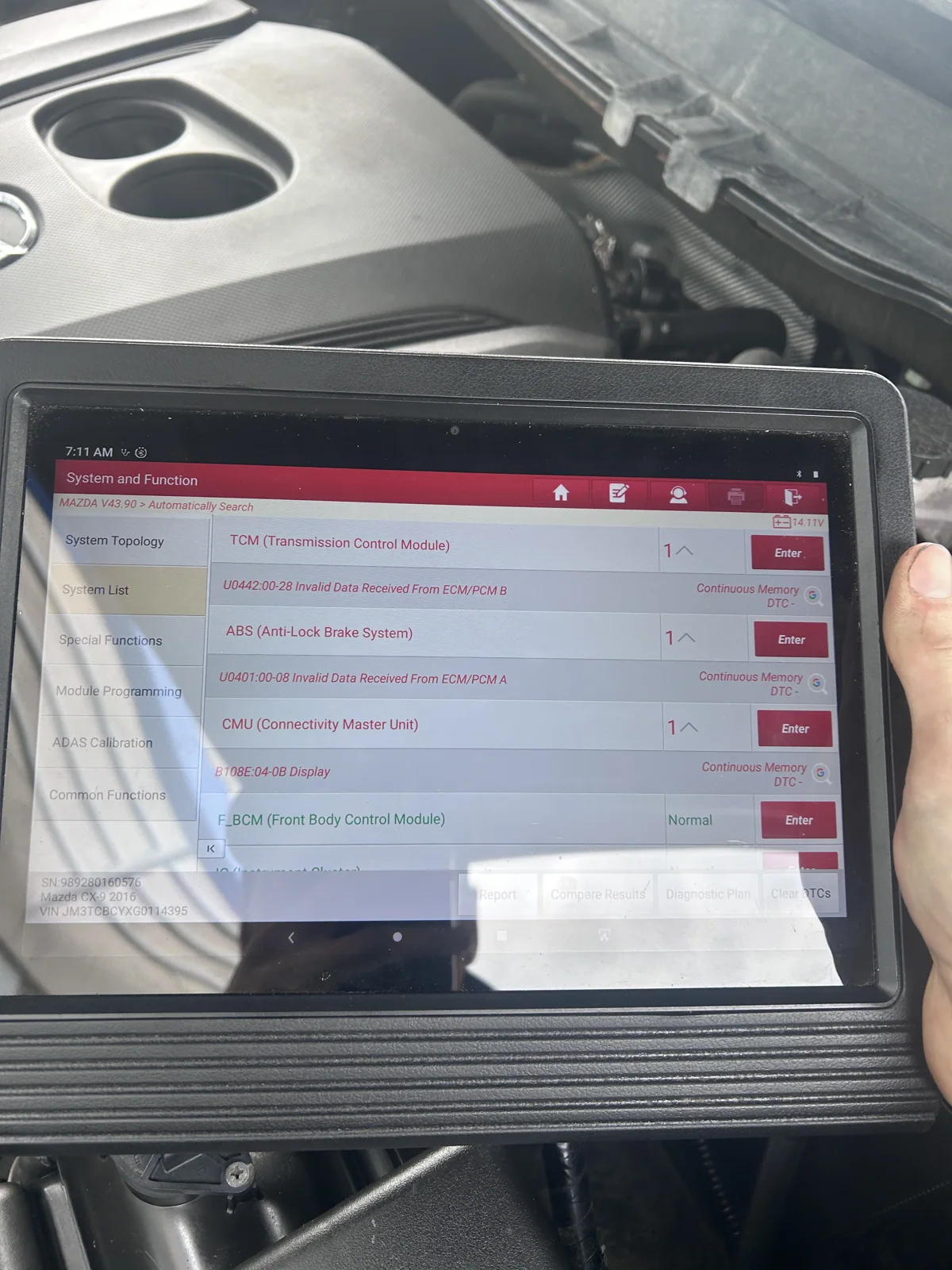
Computer Diagnostic Scan
Trouble codes and live engine data are reviewed to help determine whether the oxygen sensor is operating correctly.
03
Sensor & Circuit Testing
Sensor response, heater circuits, wiring, power, and grounds may be tested before the oxygen sensor is condemned.
04
Correct Sensor Selection
Replacement sensors are matched to the vehicle’s year, make, model, engine, exhaust configuration, and sensor position.
05
Professional Replacement
A confirmed failed oxygen sensor is removed and replaced using the appropriate service procedure.
06
Convenient Mobile Service
Mokanex brings oxygen sensor diagnosis and eligible replacement directly to customers throughout the Baltimore service area.
Common oxygen sensor questions
Oxygen Sensor Replacement FAQ
How Do I Know If My Oxygen Sensor Is Bad?
(01)
Possible signs include a check engine light, poor fuel economy, emissions-related codes, or abnormal sensor data. Testing is needed because several other faults can create similar symptoms.
Does an Oxygen Sensor Code Mean the Sensor Is Bad?
(02)
No. Wiring faults, exhaust leaks, vacuum leaks, fuel-control problems, and other engine issues can trigger oxygen-sensor-related codes. Diagnosis should come before replacement.
Can an Oxygen Sensor Be Replaced at My Location?
(03)
Many oxygen sensors can be diagnosed and replaced at a home, workplace, or vehicle location when the exhaust system and sensor can be safely accessed.
What Is the Difference Between Upstream and Downstream Oxygen Sensors?
(04)
Upstream sensors are primarily used for fuel-control feedback, while downstream sensors are commonly used to monitor catalytic converter performance. Their roles and locations differ by vehicle.

Before arranging mobile oxygen sensor replacement
Send the VIN or plate and state, service ZIP code, symptoms and any previous diagnosis. Application, corrosion, access, equipment and the work area determine whether this job can be completed mobile. We review the vehicle and obtain authorization before proceeding.
Related repair & maintenance services
LET’S START WITH THE DETAILS
Tell us what your vehicle needs.
Share your vehicle, concern and location so we can prepare the next step. No account needed.
Fields marked * are required.
What to know before requesting service
Mobile work needs safe, permitted access. Tire services, brake-line replacement and major internal engine work are not part of our mobile offering. Some repairs need a shop or specialist equipment. Appointments are scheduled after the team reviews your location and repair needs.
For Maryland safety or emissions inspections, use the appropriate authorized inspection program; an on-site repair or diagnosis does not issue an inspection certificate. Maryland MVA inspection information →