
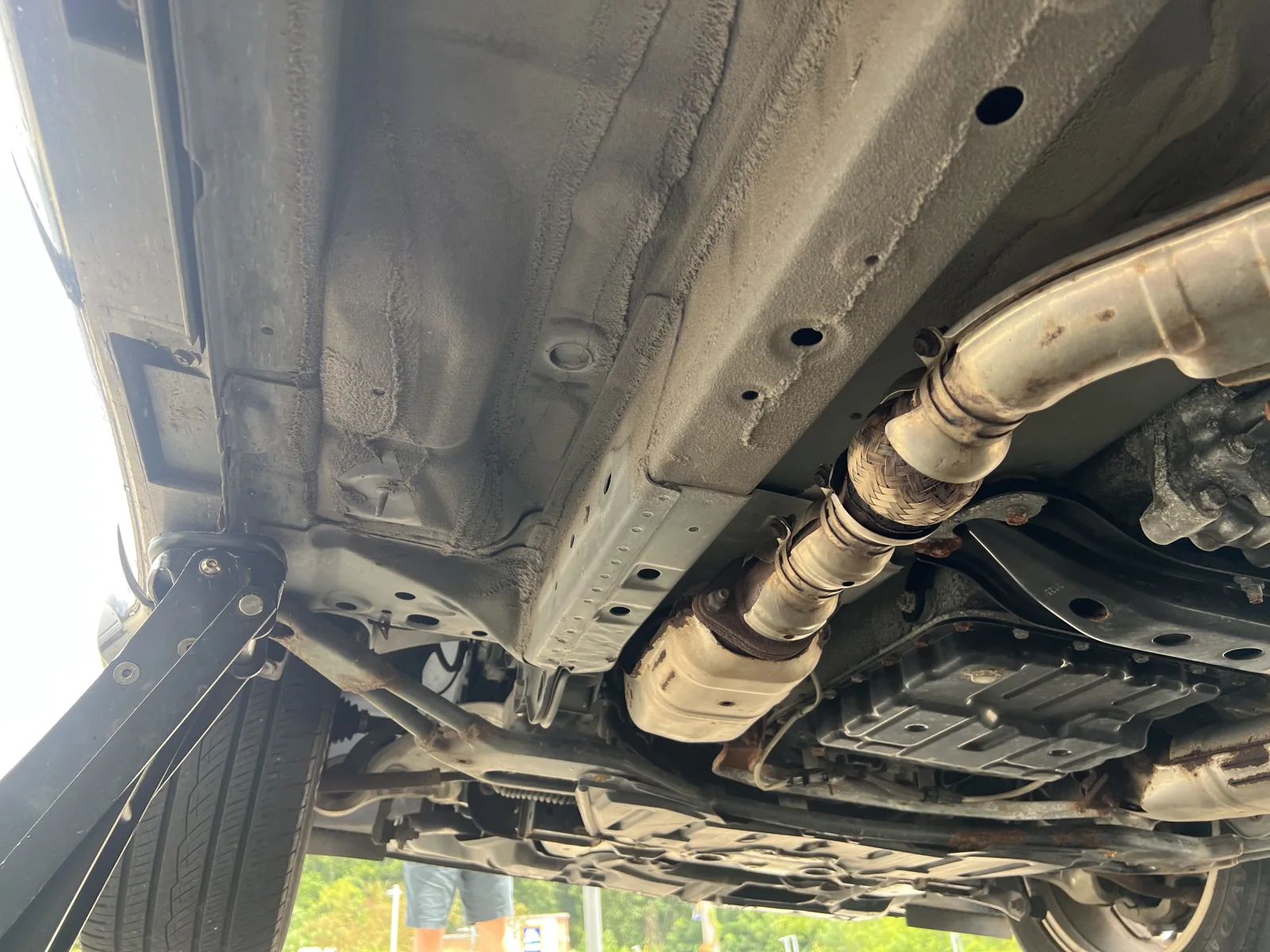
Explain how the vehicle was stored
Tell us how long the vehicle sat, whether it was started or driven, where it was stored and which services are documented. Mention a flat battery, leaks, odors or warning messages.
Do not assume that running briefly establishes that every system is ready for normal driving. Unknown history should remain identified as unknown.
Build a vehicle-specific plan
The vehicle’s manual, current condition and service records should guide proposed checks. A generic storage package is not appropriate for every engine or drivetrain.
Tire concerns need an appropriate tire provider. Fuel, brake or electrical issues may change the scope and could require a shop or specialist assessment.
Decide the next step before a normal trip
Send vehicle identification and an accessible service location. If braking, steering or another safety-critical system feels abnormal, do not continue driving to see whether it clears.
Review the estimate, confirm which services were performed and record follow-up recommendations. Any additional repair requires the appropriate explanation and authorization.