
MOKANEX · PITTSBURGH & SURROUNDING COMMUNITIES
Brake Noise Diagnosis in Pittsburgh, PA
Squeaking, grinding, or clunking brakes? Mokanex provides mobile brake noise diagnosis in Pittsburgh to identify worn or damaged brake components.
Request service ↗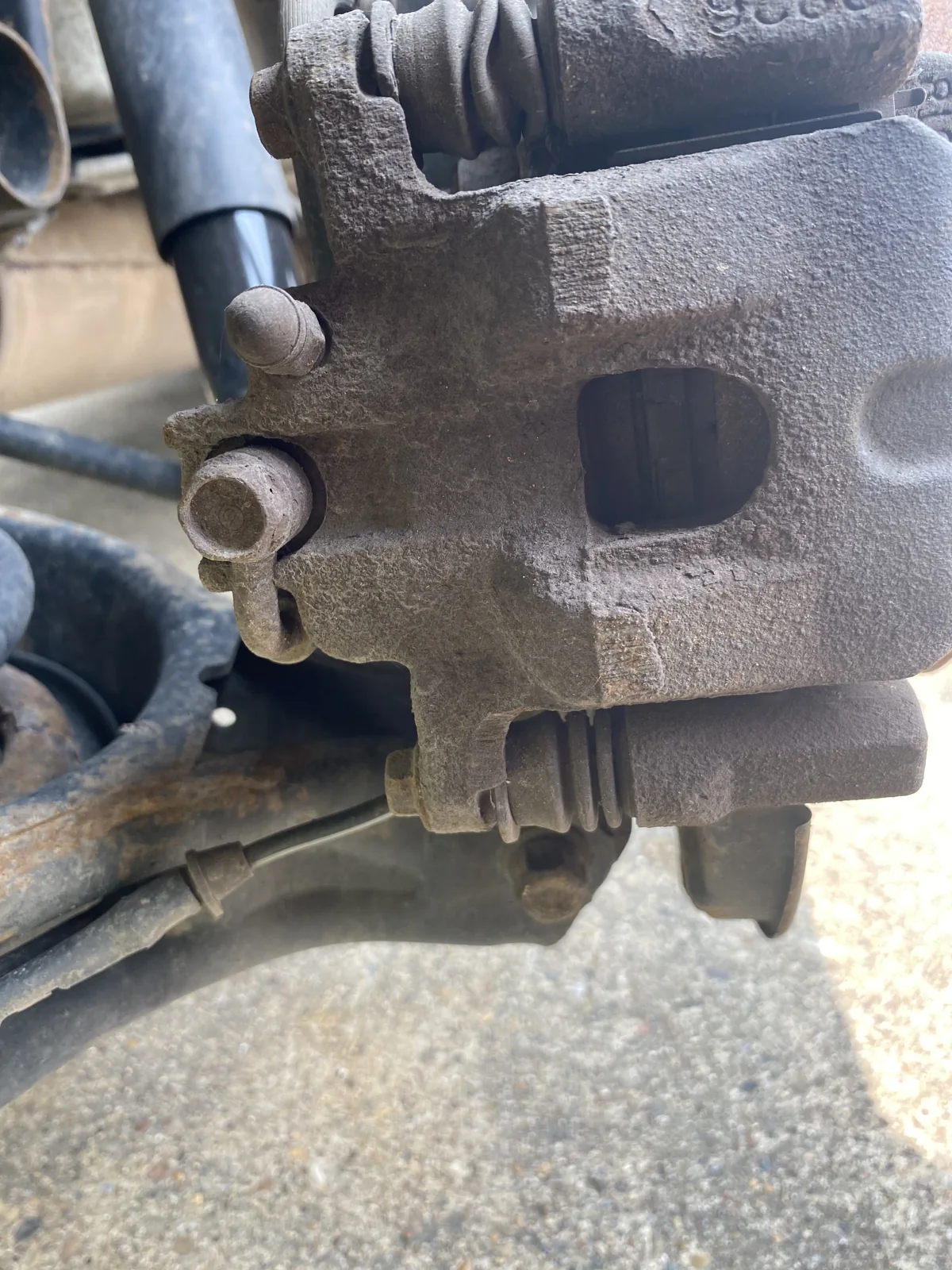
Common Brake Noises We Diagnose
Different sounds can point to different brake problems
(01)
Brake Noise
Squealing or Squeaking
High-pitched squealing can come from worn brake pads, pad wear indicators, glazed friction material, hardware issues, or certain normal brake conditions. Inspection helps determine whether repair is needed.
(02)
Grinding While Braking
Grinding can indicate severely worn brake pads, metal-to-metal contact, rotor damage, or another mechanical problem. The brakes should be inspected promptly to prevent further damage.
(03)
Clicking, Clunking, or Scraping
Clicking, clunking, or scraping sounds may come from loose hardware, worn components, backing plates, caliper movement, debris, or another issue around the wheel and brake assembly.
1. Brake Pad Inspection
1. Wear Check
Friction Material
1. Brake pads are checked for thickness, uneven wear, glazing, cracking, and other conditions that may create noise.
1. Pad condition often provides the first clue when diagnosing squealing or grinding.
2. Rotor Inspection
2. Surface Check
Brake Rotors
2. Rotors are inspected for scoring, grooves, rust, heat damage, and uneven wear.
2. Damaged rotor surfaces can create noise and affect braking performance.
3. Caliper & Hardware Check
3. Movement Check
Brake Components
3. Calipers, slide pins, clips, and other hardware are checked for looseness, binding, or improper movement.
3. Worn or sticking components can produce noise and uneven brake wear.
4. Wheel-End Inspection
4. Related Check
Wheel Area
4. Shields, backing plates, wheel bearings, and nearby components may also be inspected when the noise does not clearly come from the pads or rotors.
4. This helps separate brake noise from another wheel-end problem.
5. Repair Recommendation
5. Final Diagnosis
Next Step
5. Once the source of the noise is identified, the proper repair can be recommended.
5. This helps avoid replacing brake parts based on sound alone.
Mobile Brake Noise Diagnostic Process
Finding the source before replacing parts
What You Get
Mobile brake noise diagnosis from Mokanex
01
On-Site Brake Inspection
Mokanex can inspect noisy brakes at your home, workplace, or vehicle location to help identify the source of the sound.
02
Pad & Rotor Evaluation
Brake pads and rotors are checked for wear, damage, glazing, scoring, and other conditions that commonly create brake noise.
03
Caliper & Hardware Check
Caliper movement and brake hardware are evaluated when looseness, binding, or uneven wear may be contributing to the noise.
04
Related Component Inspection
Nearby wheel-end components can also be checked when the sound may not be caused by the brake pads or rotors themselves.
05
Clear Repair Direction
Once the source is identified, Mokanex can explain the findings and recommend the repair that addresses the actual problem.
06
Convenient Mobile Service
Brake noise diagnosis comes directly to customers throughout the Pittsburgh service area whenever the inspection can be safely performed mobile.
Common brake noise questions
Brake Noise FAQ
Why Are My Brakes Squeaking?
(01)
Squeaking can come from worn pads, wear indicators, glazing, brake dust, hardware, rotor condition, or sometimes normal characteristics of certain brake materials. Inspection helps determine the cause.
Is Grinding Always a Bad Sign?
(02)
Grinding should be taken seriously because it can indicate severe pad wear or metal-to-metal contact. The brake system should be inspected before continued driving causes additional damage.
Why Do My Brakes Make Noise Only Sometimes?
(03)
Temperature, moisture, rust, driving conditions, component movement, and pad or rotor condition can all cause brake noise to appear only under certain conditions.
Can You Diagnose Brake Noise at My Location?
(04)
Many brake-noise concerns can be inspected at your home, workplace, or vehicle location by checking the pads, rotors, calipers, hardware, and surrounding components.
