
MOKANEX · PITTSBURGH & SURROUNDING COMMUNITIES
No-Crank Diagnosis in Pittsburgh, PA
Car won’t crank? Mokanex provides mobile no-crank diagnosis in Pittsburgh for battery, starter, wiring, and starting-system problems at your location.
Request service ↗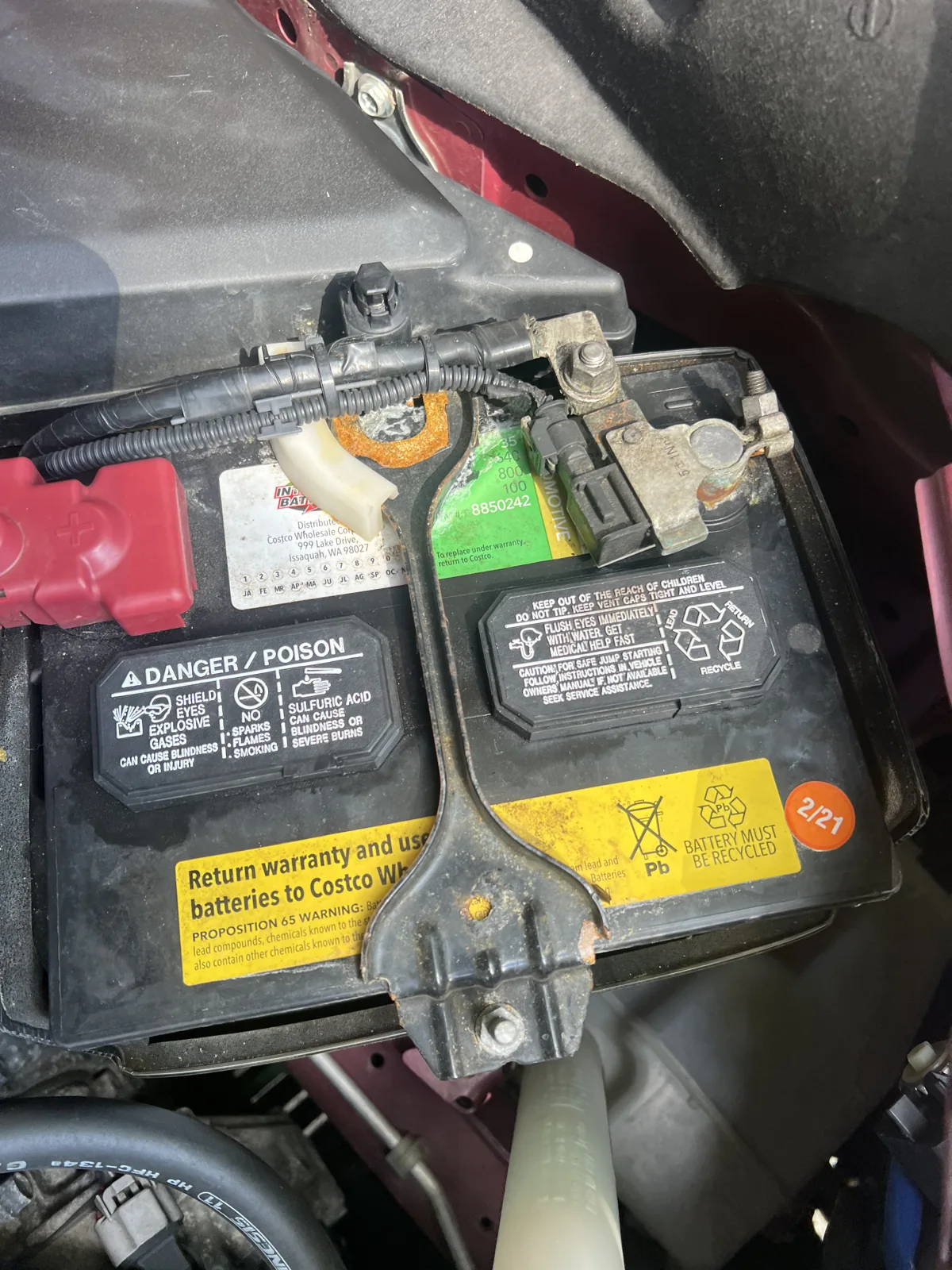
Why Your Vehicle May Not Crank
Common no-crank problems we diagnose
(01)
Possible Cause
Weak or Failed Battery
A weak or discharged battery may not have enough power to turn the engine over. Battery voltage, condition, and available starting power should be checked before replacing other components.
(02)
Starter or Solenoid Failure
A failed starter motor or solenoid can cause clicking, intermittent starting, or a complete no-crank condition even when the battery has sufficient power.
(03)
Electrical or Control Problem
Poor connections, damaged wiring, relays, fuses, ignition controls, or other electrical faults can prevent the starter from receiving the signal or power it needs to operate.
1. Battery Testing
1. Initial Check
Battery Condition
1. The battery is one of the first components checked during a no-crank diagnosis.
1. Voltage and condition help determine whether enough power is available to operate the starter.
2. Cable & Connection Check
2. Electrical Check
Power Delivery
2. Loose, corroded, damaged, or high-resistance connections can prevent current from reaching the starter.
2. Battery cables and major starting-system connections are checked for problems that can cause a no-crank condition.
3. Starter Circuit Testing
3. Circuit Check
Power & Control
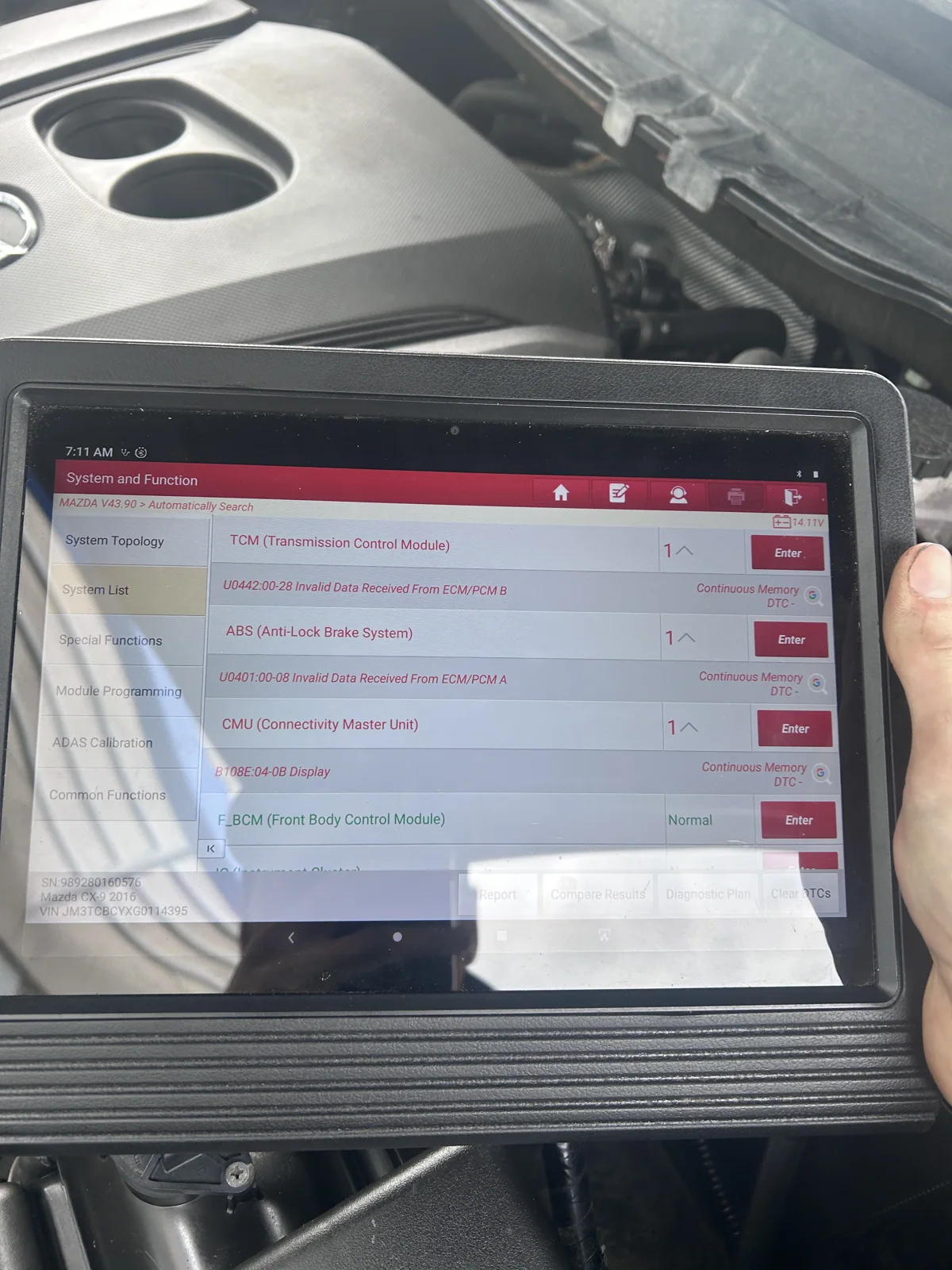
3. The starter circuit can be checked for proper power, ground, and control signals during a start request.
3. This helps determine whether the starter itself or another part of the circuit is responsible.
4. Starter Operation
4. Component Test
Starter & Solenoid
4. Starter operation is evaluated once the surrounding electrical system has been checked.
4. If the starter receives the correct inputs but does not operate properly, replacement may be required.
5. Repair Direction
5. Final Diagnosis
Next Step
5. Once the cause of the no-crank condition is identified, the appropriate repair can be recommended.
5. This helps avoid guessing and replacing parts that are still functioning correctly.
Mobile No-Crank Diagnostic Process
Testing the starting system step by step
What You Get
Mobile no-crank diagnosis from Mokanex
01
On-Site Diagnosis
Mokanex can come to the vehicle and diagnose many no-crank conditions without requiring an immediate tow to a repair shop.
02
Battery Testing
Battery condition is checked to determine whether low power or battery failure is preventing the engine from cranking.
03
Starter Circuit Testing
Power, ground, connections, and starter control signals can be checked to isolate the source of the starting problem.
04
Component-Based Diagnosis
Testing helps identify whether the issue is related to the battery, starter, wiring, connections, or another part of the starting system.
05
Clear Repair Recommendation
Once the fault is identified, Mokanex can explain the findings and recommend the appropriate repair rather than replacing parts based on symptoms alone.
06
Convenient Mobile Service
No-crank diagnosis comes directly to your home, workplace, or vehicle location throughout the Pittsburgh service area whenever mobile service is practical.
Common no-crank questions
No-Crank Diagnosis FAQ
What Does No-Crank Mean?
(01)
A no-crank condition means the engine does not turn over when you try to start the vehicle. The cause may involve the battery, starter, wiring, connections, or starting controls.
Can the Battery Be Good and the Car Still Not Crank?
(02)
Yes. A good battery cannot make the engine crank if there is a failed starter, poor connection, damaged cable, control problem, or another fault in the starting circuit.
Does Clicking Mean the Starter Is Bad?
(03)
Not always. Clicking may come from a weak battery, poor electrical connection, starter solenoid problem, or failed starter. Testing is needed to determine the cause.
Can You Diagnose a No-Crank Problem at My Location?
(04)
Many no-crank problems can be diagnosed at the vehicle’s location using battery, electrical, and starter-system testing before deciding what repair is needed.
